Top, Professional and Reliable Manufacturer of Various Machinery – YG Machinery
Rotary Drilling Equipment
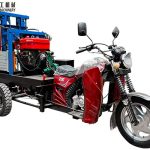
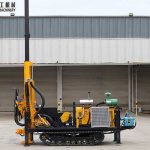
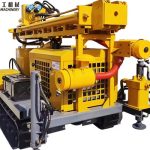
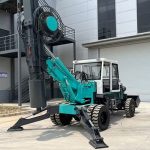
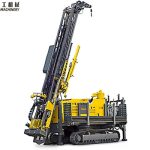
rotary piling machine
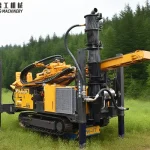
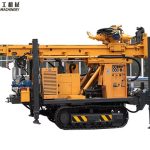
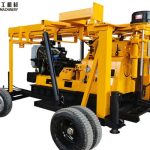
hydraulic rotary rig
High-quality pile foundation engineering is indispensable for the foundation construction of bridges, high-rise buildings, port terminals, and industrial plants. The quality of the pile foundation directly determines the stability of the superstructure, and the core equipment for pile foundation construction is rotary drilling equipment.
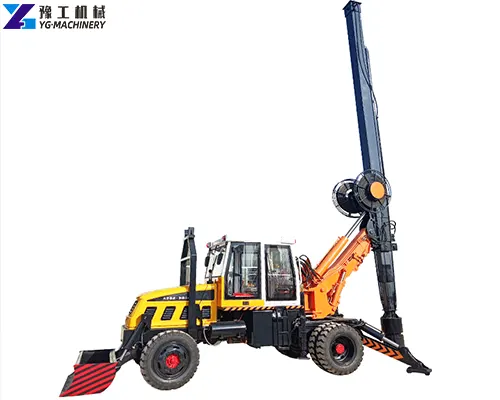
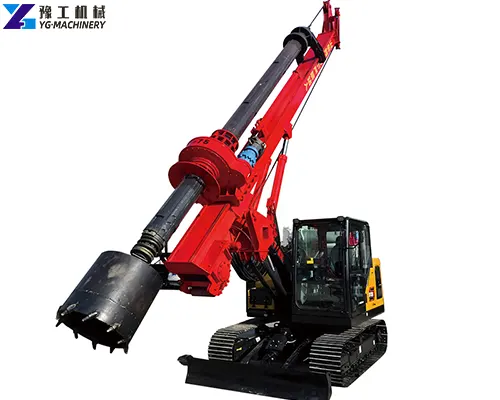
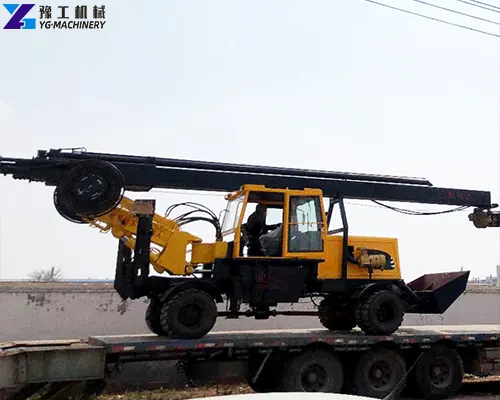
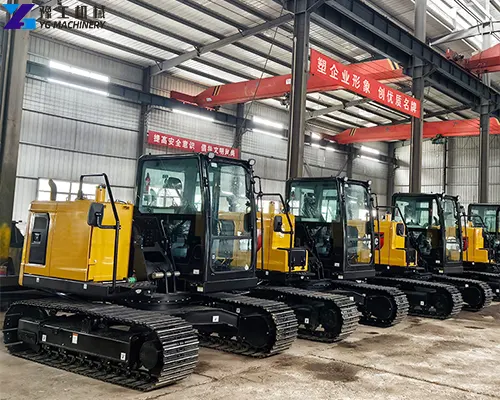
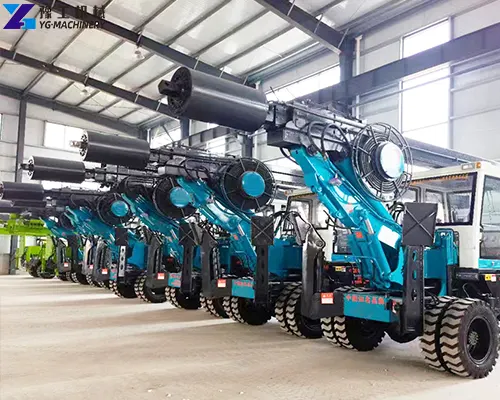
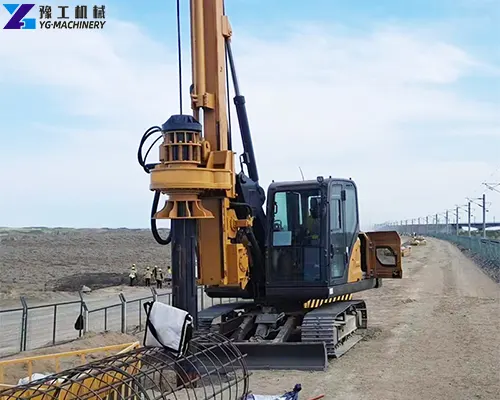
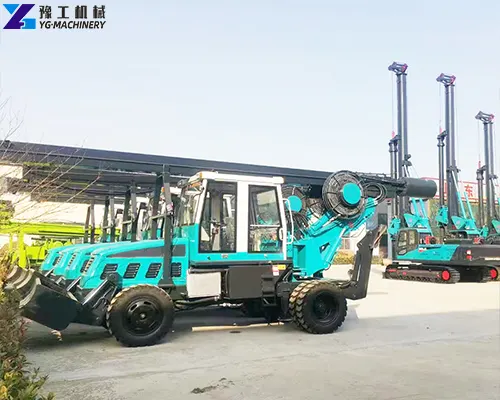
Rotary drilling equipment is a type of pile foundation construction machinery that uses a rotary driving force to drive the drill bit to rotate, while simultaneously applying axial pressure to break up the formation rock. As drilling progresses, circulating flushing fluid carries the rock cuttings out of the wellhead. Users often refer to it as a rotary drilling rig machine, foundation drilling rig, or rotary piling machine.
Rotary drilling is currently the most widely used pile foundation drilling technology globally. From North American shale gas fracturing well sites to the foundations of cross-sea bridges in Southeast Asia and to the pile foundation projects of refineries in the Middle East, rotary drilling rigs, with their strong adaptability to geological formations, high drilling efficiency, and stable hole quality, cover more than 53% of the global pile foundation construction market. A reliable rotary drilling rig can drill pile holes with diameters of 0.5-2.5 meters and depths of 40-80 meters in soft clay, gravel layers, weathered rock, and even hard rock strata, providing reliable foundation support for various large-scale projects.
Rotary drilling rigs can handle a wide range of formations, from soft clay, sand, and gravel layers to weathered rock and hard bedrock. Switching between different types of drill bits is simple: auger buckets quickly process soft soil layers; tubular buckets efficiently penetrate clay and gravel layers; and roller cone bits break hard rock layers. This all-form adaptability is difficult to achieve with other pile foundation techniques (such as bored piles and driven piles).
Feature 2: High Torque Output, Leading Drilling Efficiency
The maximum torque of medium-sized rotary drilling equipment is typically 180-240 kN·m, while large machines can reach 5300 kN·m (such as the XCMG XRT2600 full-rotation casing drilling rig). This high torque makes the rig 3-5 times faster than impact drills and more than 10 times faster than manual excavation under the same geological conditions. In moderately weathered granite strata, an 180 kN·m torque drilling rig can drill 1.5-2.5 meters per hour, significantly shortening the construction period.
Function 3: Automatic Verticality Control, High Hole-Drilling Accuracy
The drilling mast is equipped with a dual-axis tilt sensor and an automatic leveling system to monitor mast verticality in real time. When the tilt angle exceeds the set threshold, the system automatically issues an alarm and prompts the operator to adjust. Verticality accuracy during drilling can reach ±0.5°, meeting the requirements of most pile foundation design specifications and avoiding insufficient bearing capacity and additional pile costs due to inclined holes.
Function 4: Synchronous Casing Drilling, Worry-Free Complex Geological Conditions
The rotary piling machine, equipped with a casing drive device, enables simultaneous drilling and casing installation. In easily collapsible strata such as loose sand layers, karst caves, and water-rich pebble layers, the casing protects the borehole wall from collapse, ensuring safety during hole formation and reinforcement cage installation. This is a process that ordinary auger drilling rigs cannot achieve.
Function 5: Multiple Power Configurations to Adapt to Different Construction Site Conditions
The rotary drilling rig supports multiple power sources: the standard configuration is diesel engine-driven, suitable for field construction sites without electricity; an optional electric drive is available, allowing for lower operating costs when electricity is readily available; some models support a dual-power system (diesel and electric), reducing overall operating costs by 30-40% compared to pure diesel models.
Function 6: Compact Design for Narrow Urban Construction Sites
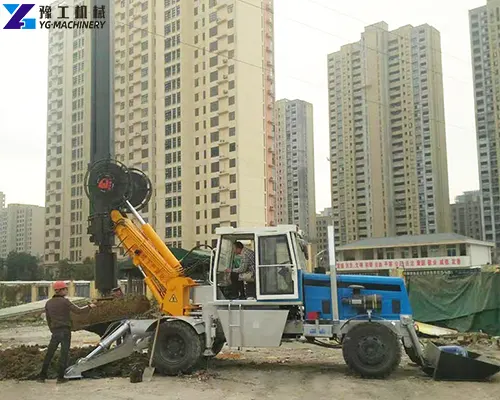
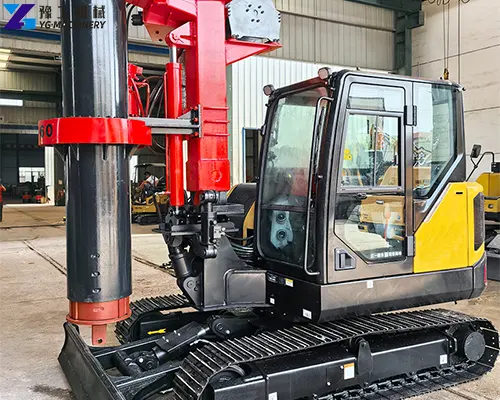
The compact rotary drilling rig machine has track widths as narrow as 780 mm, with an overall machine width controlled within 2.5 meters, allowing operation in narrow spaces such as urban roads, residential areas, and the interiors of existing factories. These models have a maximum drilling depth of approximately 40 meters and a torque of 50-100 kN·m, flexibly navigating various corners of urban foundation construction.
Why Choose Rotary Drilling Rigs for Foundation Construction Projects?
Value 1: High Drilling Efficiency, Significantly Shortened Project Time
Rotary drilling is one of the most efficient drilling methods among all pile foundation techniques. Under the same geological conditions, the drilling speed of medium-sized rotary drilling equipment is typically 3-5 times that of impact drills. For example, in a bridge foundation project with 100 piles, using a rotary drilling rig can reduce the total drilling time from 4 months to 1.5 months, a speedup of over 60%. Shorter timeframes mean a simultaneous decrease in equipment rental fees, management costs, and capital tied up in capital.
Value 2: Stable Hole Quality, High First-Time Acceptance Rate
Rotary drilling rigs are guided by a drill mast, and verticality is monitored in real-time by an automatic leveling system, resulting in regular hole diameters and smooth hole walls. The hole diameter deviation of manual excavation or impact drilling is typically ±15-20%, while rotary drilling can control it within ±5%. High-quality borehole formation means smooth rebar cage placement, high-quality concrete pouring, and a high pass rate for pile integrity testing (sonic transmission method), reducing the additional costs of rework and pile replacement.
Value 3: Strong All-Weather Continuous Operation Capability
Rotary drilling rigs do not rely on manual labor inside the borehole, allowing for continuous operation at night, in rainy weather, and on holidays. Highly automated models can be operated by a single person, enabling construction companies to operate in two shifts continuously, maximizing the use of construction windows.
Value 4: Reduced Safety Risks and Accident Costs
Compared to manual excavation (which requires working in deep holes, posing risks of toxic gases and collapse) and percussion drilling (risk of wire rope breakage), rotary drilling equipment isolates the operator in the cab to complete all operations, fundamentally eliminating the safety hazards of working inside the borehole. This is especially important in complex geological conditions.
What Are the Suitable Applications for Rotary Drilling Equipment?
Bridge pile foundation construction — This is the largest and most core application market for rotary drilling rigs. Pile foundation projects for cross-river and cross-sea bridges, highway interchanges, and railway bridges typically require cast-in-place piles with diameters of 1.0-2.5 meters and depths of 30-80 meters. The high-speed drilling capability and large-diameter hole-forming capacity of rotary drilling rigs fully meet the needs of these projects.
High-rise building foundations — The structural loads of super high-rise buildings are transferred to the deep bearing strata through pile foundations, and the pile diameter and length are usually large. Rotary piling machines have played a crucial role in the foundation construction of super high-rise buildings such as the Shanghai Tower and the Guangzhou Tower.
Port wharves and marine structures — The construction of steel pipe piles and cast-in-place piles for cross-sea bridge piers, wharf revetments, and offshore platforms requires drilling operations in intertidal zones and nearshore environments. Rotary drilling rigs equipped with casing drive systems can handle these complex hydraulic strata.
Industrial plants and petrochemical projects — The construction of equipment foundation piles for large refineries, power plants, and steel mills involves dense pile locations and high precision requirements. The fine-tuning capabilities of rotary drilling equipment meet the stringent requirements of these projects.
Urban rail transit — Retaining piles for subway stations and support piles for open-cut tunnel sections are commonly used in projects located in busy urban areas with limited working space. Compact rotary drilling rigs are widely employed in these projects.
Mine filling shafts and ventilation shafts — The mining industry uses large rotary drilling equipment to drill mine filling shafts, drainage shafts, and ventilation shafts, typically exceeding 100 meters in depth, requiring ultra-high torque and depth capabilities.
Geothermal energy and deep water well drilling — Geothermal energy and deep water well projects require penetrating high-temperature hard rock formations. Rotary drilling rigs equipped with PDC drill bits and mud circulation systems are standard equipment for these projects.
Frequently Asked Questions about YG Rotary Drilling Rigs
Q1: Can rotary drilling rigs be used in karst formations (cavities)?
A1: Yes, but special techniques are required. When drilling in cavities, a full casing follow-up process is typically used—the casing rig drills while simultaneously lowering a steel casing. The casing passes through the cavity’s roof and into stable rock layers to prevent filling material from flowing into the borehole or causing borehole wall collapse. YG can provide specialized cavity drilling kits, including extended casings and grouting systems.
Q2: How many operators are needed for one rotary drilling rig?
A2: The standard configuration is 1 main operator + 1 assistant (responsible for mud management and drill pipe handling). With optimization, compact models can be operated independently by an experienced operator for most tasks. Large casing rigs typically require 2-3 people working together, including a main operator, casing controller, and mud manager.
Q3: What is the approximate fuel consumption of a rotary drilling rig?
A3: Fuel consumption of a medium-sized rotary drilling rig depends on the drilling formation and workload. Fuel consumption is approximately 120-160 liters per shift when drilling in soft soil and approximately 180-250 liters per shift when drilling in hard rock. Choosing a model equipped with a high-efficiency hydraulic system and an electronically controlled engine can reduce fuel consumption by 10-15% while maintaining drilling efficiency.
Q4: How long does equipment operation training take?
A4: YG typically provides 1-3 days of on-site operation training upon equipment delivery, covering routine inspections, drill bit replacement, drilling operations, and maintenance. Personnel with excavator or loader operation experience learn faster, typically operating independently in about 2 days. It’s important to note that achieving stable, high-efficiency drilling speeds requires 3-6 months of practical experience.
Q5: What is the difference between a rotary piling machine and a long auger drilling rig?
A5: The two are suitable for different process scenarios. Long auger drilling rigs use long auger blades to directly discharge soil out of the hole, suitable for clay and sandy soil layers within 20-30 meters, but are unable to drill into hard rock layers or without mud wall protection. Rotary drilling rigs use mud circulation to remove slag, can drill into hard rock layers, with a maximum depth of over 80 meters, and can be equipped with casing for wall protection. Simply put, long augers are suitable for shallow, soft soil layers, while rotary drilling rigs are suitable for deep holes and complex soil layers.
Q6: Will the equipment be affected in high-altitude areas (above 3000 meters)?
A6: Significantly. For every 1000 meters increase in altitude, atmospheric pressure decreases by approximately 9%, and diesel engine power decreases by approximately 10%. When operating above 3000 meters, it is recommended to choose a model with a larger engine power reserve (e.g., 300+ kW or 350+ kW models), or specify the high-altitude usage requirements to YG during procurement; usually, a high-altitude calibrated engine configuration will be provided. In addition, the large temperature difference between day and night in high-altitude areas can affect the system’s response speed due to changes in hydraulic oil viscosity, necessitating the use of low-pour-point hydraulic oil.