Top, Professional and Reliable Manufacturer of Various Machinery – YG Machinery
Non Woven Fabric Slitting Machine
non woven fabric slitting rewinding machine
non woven fabric roll cutting machine
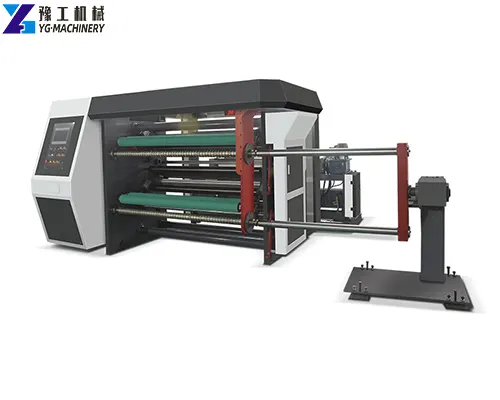
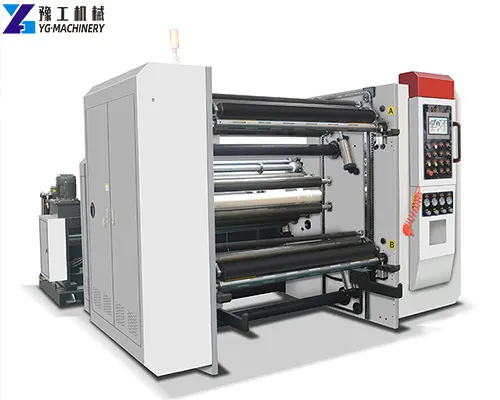
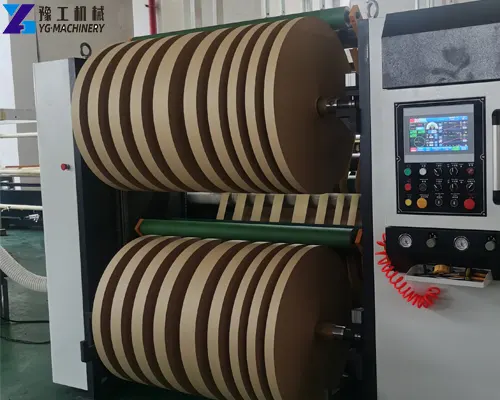
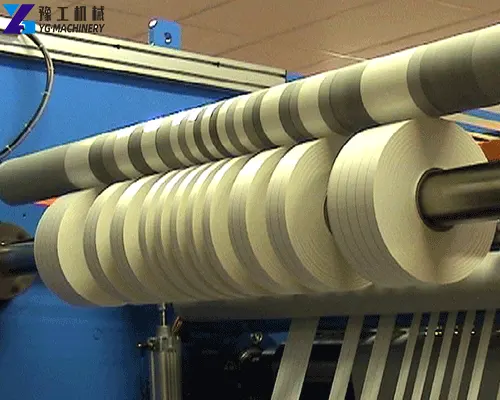
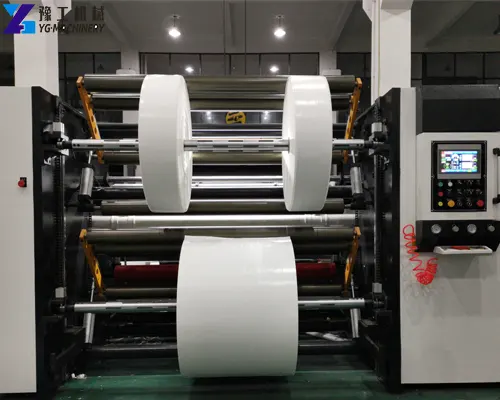
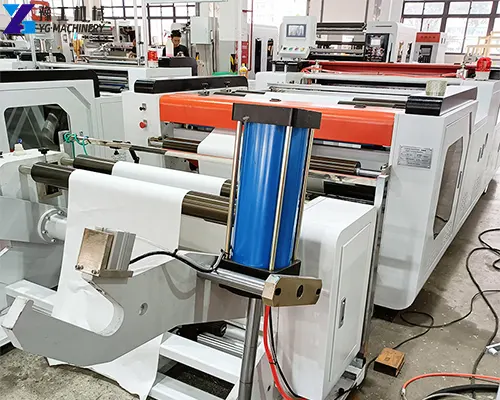
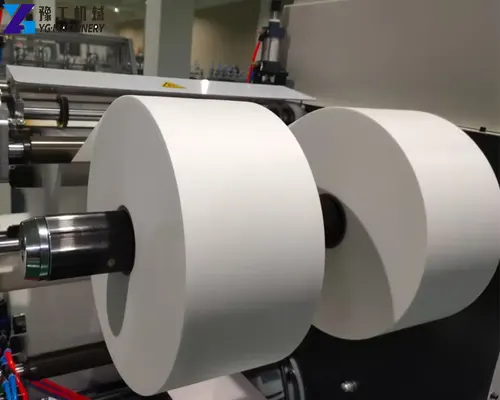
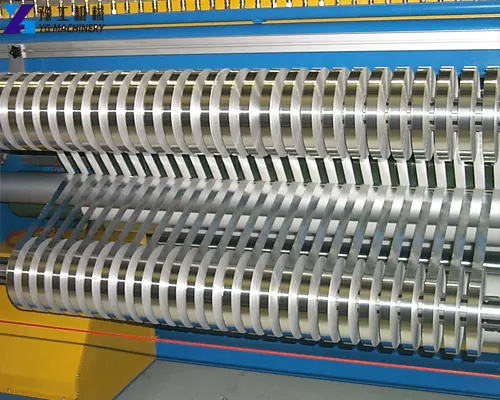
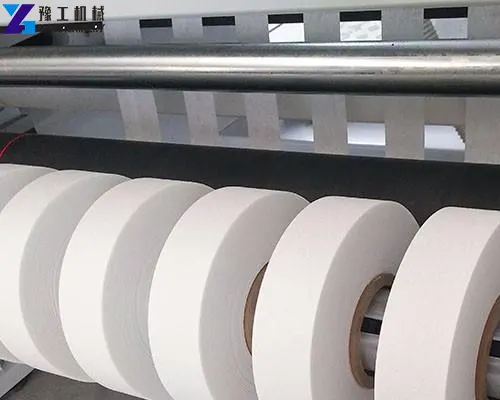
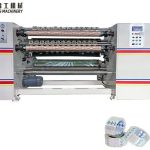
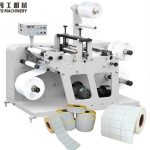
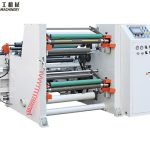
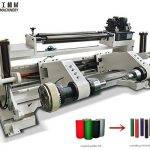
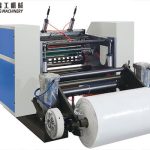
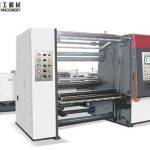
Industries processing roll materials—such as non-woven fabrics, films, and paper—commonly face challenges like low manual slitting efficiency, significant dimensional errors, high trim waste, and slow changeover times for small-batch orders. The non-woven fabric slitting machine (also known as a roll slitter or fully automatic roll cutter) is specialized equipment designed to slit wide rolls of material into multiple narrower rolls according to specific requirements. Its primary function is to precisely divide large raw material rolls into finished rolls of specified widths, replacing manual slitting to enhance both efficiency and accuracy.
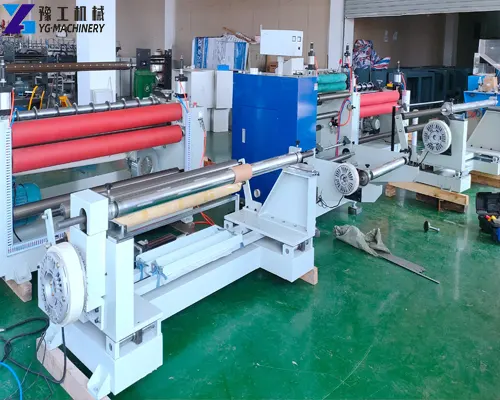
As a professional manufacturer of roll processing equipment, YG specializes in horizontal fully automatic slitting machines while offering a comprehensive product range that includes compact vertical slitters and large-scale high-speed models. These versatile machines are compatible with various materials—including non-woven fabrics, paper, films, and aluminum foil—delivering excellent cost-performance through multi-purpose functionality. Currently, our equipment is exported in volume to countries such as Tanzania, Ghana, Serbia, Greece, Russia, Kazakhstan, Japan, Chile, Mexico, and Argentina, meeting production needs across sectors like light manufacturing, packaging and printing, pharmaceuticals, and food processing. If you are interested, please contact us today for more product information.
In Which Sectors Can Non-woven Fabric Slitting Machines Be Applied?
Hygiene products industry: Slitting spunbond non-wovens and SMS composites for the production of diapers, sanitary napkins, and adult incontinence products.
Medical protection industry: Slitting melt-blown and spunbond fabrics for surgical gowns, protective suits, face masks, medical dressings, and sterilization wraps.
Filtration materials industry: Slitting needle-punched non-wovens and melt-blown composite filter media for air filters, water filter cartridges, HVAC system filters, and automotive A/C filters.
Packaging industry: Slitting non-woven fabrics for the production of eco-friendly shopping bags, gift bags, suit covers, and shoe covers.
Geotechnical and construction industries: Slitting geotextiles, roofing, waterproofing membranes, and sound/thermal insulation materials.
Paper processing industry: Slitting paper rolls such as thermal paper, cultural paper, kraft paper, and label stock.
Film and foil industry: Slitting BOPP/PET/PVC films, aluminum foil, and copper foil for flexible packaging, electronic materials, and cable shielding.
Automotive interior industry: Slitting non-woven materials such as headliner fabrics, door panel linings, and seat upholstery fabrics.
What Are the Key Features and Functions of Non-woven Fabric Slitting Machines?
High-speed, stable operation: Standard models operate at 80–200 m/min, while high-speed models reach 300–500 m/min, meeting the demands of large-scale continuous production.
Precision slitting: Slitting accuracy is controlled within ±0.1–0.2 mm; servo drives combined with photoelectric edge guiding ensure consistent widths for every slit roll.
Multi-material compatibility: A single machine can process various roll materials, including non-woven fabrics (15–350 gsm), paper, BOPP/PET/PVC films, aluminum foil, and copper foil.
Versatile slitting methods: Options include shear cutting, crush cutting, razor cutting, hot-knife cutting, and ultrasonic cutting, allowing for flexible configuration based on material and product requirements.
Intelligent control: Features a PLC touchscreen interface supporting parameter presetting, automatic length counting, automatic stop, and fault alarms; operable by general workers after basic training.
Static elimination system: Equipped with anti-static devices to prevent uneven winding or material sticking caused by static electricity.
Automatic waste recovery: Edge trim is automatically collected via negative-pressure air ducts, maintaining a clean workshop and achieving a material utilization rate of over 97%.
Modular design: Slitting blade assemblies feature a quick-change structure, allowing blade replacement in just 3–5 minutes and minimizing downtime.
Case Studies of Clients in Tanzania and Mexico Using YG Slitting Machines
Case Study 1: Non-woven Bag Factory in Dar es Salaam, Tanzania
Client Background: Located in Dar es Salaam, Tanzania’s largest city, this factory specializes in producing eco-friendly non-woven shopping bags. Previously, they relied on manual cutting, resulting in low efficiency, inconsistent widths, and a high waste rate of 8%.
Procurement Solution: In 2025, the client acquired a standard 1300mm non-woven roll slitting machine from YG, featuring magnetic powder tension control and an automatic web guiding system.
Operational Results:
Daily output increased from 2,000 to 8,000 bags, representing a 300% boost in production capacity.
Slitting width consistency reached 99.5%, and the waste rate dropped to 1.2%.
A single operator can run the machine, saving the labor cost of four workers.
After 14 months of operation, only one blade replacement was required, resulting in extremely low maintenance costs.
Client Testimonial: “This non-woven fabric slitting machine has revolutionized our production line. We recouped our investment in less than two months; the quality is consistent, and YG’s after-sales service is prompt.” — Juma M., Factory General Manager
Case Study 2: Medical Supplies Processing Plant in Monterrey, Mexico
Client Background: Located in the industrial hub of Monterrey, Mexico, this plant supplies medical non-woven products—including surgical gowns, sterilization wraps, and medical dressings—to local hospitals and clinics.
Procurement Solution: In 2025, the client purchased a 1800mm fully automatic high-speed slitter-rewinder equipped with CCD visual web guiding and PLC intelligent control, specifically designed to process SMS and melt-blown non-woven fabrics.
Operational Results:
Slitting speed reached 250 m/min, with a daily processing capacity exceeding 50 tons of raw material.
Slitting precision is within ±0.1 mm, meeting the strict requirements for medical-grade products.
Optional ultrasonic cutting (added via subsequent upgrade) ensures clean edges with no loose fibers or burrs.
The equipment has operated continuously for 18 months with zero downtime due to malfunctions.
Client Testimonial: “We are extremely satisfied with the machine’s precision and stability. YG’s team provided detailed training during installation and commissioning; our operators can now independently handle product changeovers and routine maintenance.” — Carlos R., Production Manager
Frequently Asked Questions About YG Non Woven Fabric Slitting Machine
Q1: What other materials can the non-woven fabric slitter cut?
A1: In addition to non-woven fabrics, it can cut flexible roll materials such as paper, BOPP/PET/PVC films, aluminum foil, copper foil, melt-blown fabric, label materials, and adhesive tapes. Please specify the material type when purchasing, and the manufacturer will configure the appropriate blade assembly and tension system.
Q2: How fast is the slitting machine?
A2: Standard models operate at 80–200 m/min, high-speed models at 300–500 m/min, and ultra-high-speed industrial models can reach 600 m/min. Higher speeds result in greater production efficiency but require more precise tension control and blade accuracy.
Q3: What is the minimum slitting width?
A3: Depending on the model, the minimum slitting width ranges from 10 mm to 50 mm. Precision servo models can slit down to 10 mm, while standard models typically have a minimum width of 20–50 mm. Specialized narrow-width slitters can be customized if even narrower cuts are required.
Q4: Is equipment installation complex? Does the manufacturer provide installation services?
A4: Installation takes one day for standard models and 1–3 days for wide-format, high-speed models. YG provides on-site installation, commissioning, and operation training; for overseas customers, we offer remote video guidance or can dispatch engineers for on-site service.
Q5: Can the voltage be customized?
A5: Yes. The standard configuration is 380V/50Hz (three-phase), but we also support customization for 220V, 415V, 440V, and 60Hz to meet the electrical standards of different countries worldwide.