Top, Professional and Reliable Manufacturer of Various Machinery – YG Machinery
Excavator Attachment
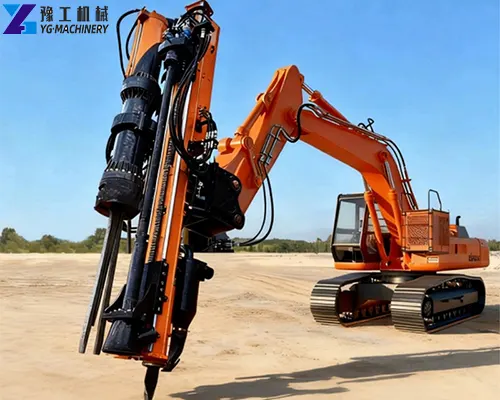
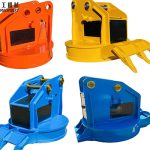
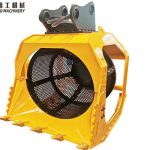
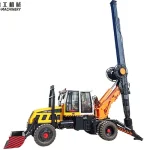
excavator rock drill and splitter
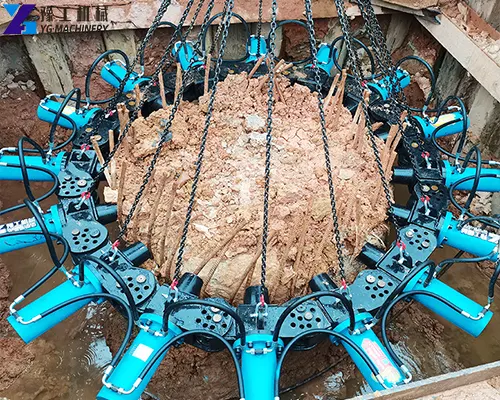
excavator hydraulic pile breaker
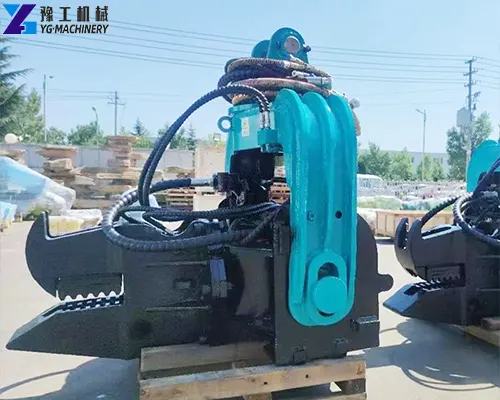
excavator pile driver
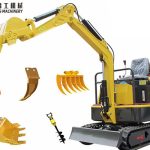
An excavator attachment transforms your machine from a single-purpose digger into a versatile tool for demolition, rock excavation, material handling, piling, and more. Whether you need to break concrete, cut steel, crush rock, or handle scrap, the right attachment can reduce labor costs and improve job site efficiency.
At YG Machinery, we supply a wide range of excavator attachments designed for construction, demolition, mining, and recycling applications. Our attachments are built to work with excavators of various sizes—from mini excavators to 50-ton machines. We also support custom configurations based on your machine’s specifications and project requirements. Contact our team for compatibility guidance.
Excavator buckets are the most common digging and material-handling attachment, available in general-purpose, heavy-duty, rock, grading, and trapezoidal designs. Bucket width, shape, and tooth configuration are selected according to the material density and required production rate.
Main applications: Digging, trenching, loading, grading, sloping, material handling
Key benefits: Direct material engagement; replaceable teeth and cutting edges; multiple width and profile options
Hydraulic Breakers
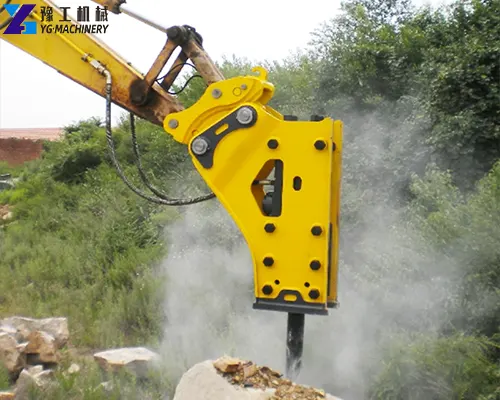
Hydraulic breakers (also called hydraulic hammers) deliver high-impact blows to break concrete, rock, pavement, and frozen ground. They are essential for demolition, road breaking, quarry work, and foundation excavation where blasting is not an option.
Main applications: Concrete demolition, rock breaking, pavement removal, trench rock excavation
Key benefits: High impact energy; minimal vibration transfer to the carrier; suitable for confined urban sites
Excavator Augers
Excavator augers drill clean, vertical holes for foundations, fencing, utility poles, tree planting, and signposts. The auger drive connects to the excavator’s hydraulic circuit, and different bit diameters and lengths handle varying soil and rock conditions.
Main applications: Foundation drilling, fence post holes, utility pole installation, tree planting, soil nailing
Key benefits: Fast hole production; clean vertical bores; interchangeable bits for different ground conditions
Excavator Grapples
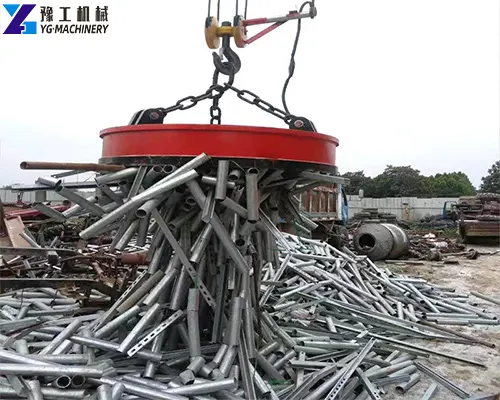
Excavator grapples handle irregular or bulky materials that buckets cannot grip effectively. Options include mechanical and hydraulic grapples, log grapples, scrap grapples, demolition grapples, and clamshell grabs for bulk material and dredging.
Main applications: Demolition debris handling, log loading, scrap metal sorting, rock placement, dredging
Key benefits: Secure grip on irregular shapes; 360-degree rotation on hydraulic models; high clamping force
Excavator Rippers
Rippers break up hardpan, rock, frozen ground, and asphalt using a single pointed shank. Vibro rippers add high-frequency vibration to the shank, increasing productivity in difficult ground compared with static rippers.
Main applications: Rock excavation, frozen ground breaking, pavement ripping, site preparation
Key benefits: Penetrates material that buckets cannot; vibro models reduce carrier stress; works in areas where blasting is restricted
Quick Couplers
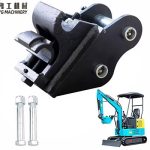
Quick couplers (also called quick hitches) allow the operator to switch between buckets, breakers, grapples, and other attachments from the cab in minutes. They are available in mechanical, hydraulic, and fully automatic versions to match different safety and productivity requirements.
Main applications: Rapid attachment changes on any job site using multiple attachments
Key benefits: Reduces downtime between tasks; improves machine utilization; available for most excavator brands and pin sizes
Demolition Attachments
Demolition attachments include hydraulic shears, pulverizers, concrete crushers, and rotating demolition grapples. They are purpose-built for processing reinforced concrete, structural steel, and mixed demolition debris.
Main applications: Building demolition, concrete crushing, steel cutting, scrap processing, secondary demolition
Key benefits: Cuts through rebar and structural steel; processes concrete on site for recycling; 360-degree rotation on selected models
Excavator Drum Cutters
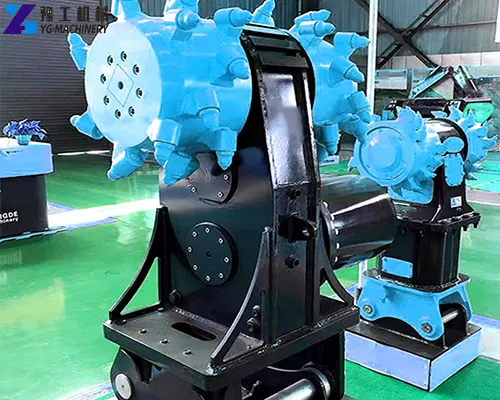
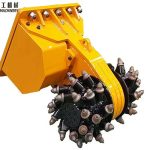
Drum cutters (also called milling heads or rotary cutters) use a rotating drum fitted with picks to grind rock, concrete, and frozen soil. They are used for tunneling, trenching, profiling, scaling, and precision excavation where breakers are too aggressive.
Main applications: Rock trenching, tunnel profiling, concrete milling, frozen soil excavation, underwater grinding
Key benefits: Precise cutting; lower noise and vibration than breakers; available in horizontal and vertical drum configurations
Pile Driver Attachments
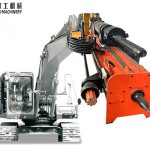
Pile driver attachments include vibratory pile hammers and hydraulic pile breakers. Vibratory hammers drive and extract sheet piles, H-piles, and casings. Pile breakers cut and remove concrete pile heads to design elevation.
Main applications: Sheet pile driving, pile extraction, foundation work, bridge construction, pile head removal
Key benefits: Fast pile driving and extraction; pile breakers reduce manual labor; modular configurations for different pile diameters
Crusher Buckets
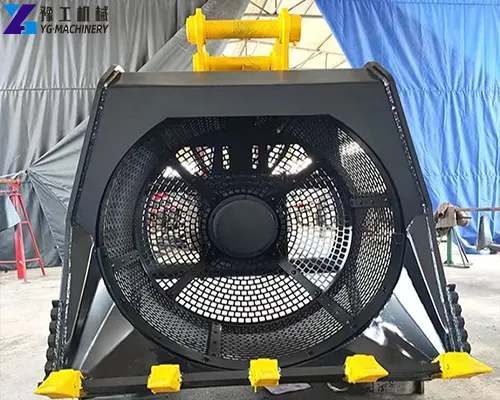
Crusher buckets mount on the excavator and crush concrete, rock, and demolition debris directly on site. The crushed material can be reused as backfill, sub-base, or aggregate, reducing haul-away and disposal costs.
Main applications: On-site concrete recycling, rock crushing, demolition waste processing, road base production
Key benefits: Eliminates haul-off costs; produces reusable aggregate on site; works in confined spaces
Excavator attachments serve a broad range of industries. The same carrier can perform digging, breaking, compacting, lifting, and drilling by switching attachments, making them essential for contractors who need versatility across project types.
Fence installation, drainage trenching, bale handling, land clearing
Utility installation
Augers, breakers, compactors, buckets
Pole setting, pipe trenching, conduit drilling, trench backfill
How to Choose the Right Excavator Attachment
Selecting the correct excavator attachment starts with understanding both the carrier machine and the job at hand.
Excavator make and model. The carrier determines the attachment’s mounting interface, hydraulic capacity, and lifting limits. Provide the exact brand, model, and year when requesting a quote.
Operating weight. The excavator’s operating weight must match the attachment’s recommended carrier range. An attachment that is too heavy can destabilize the machine; one that is too small may underperform.
Hydraulic flow and operating pressure. Hydraulic attachments such as breakers, augers, grapples, and drum cutters require specific flow and pressure. Mismatched hydraulics reduce performance and can damage the attachment or carrier.
Pin dimensions or quick coupler type. The attachment must fit the excavator’s pin configuration or quick coupler. Measure pin diameter, pin-center distance, and arm width, or provide the coupler brand and model.
Working material. Rock, concrete, clay, sand, gravel, steel, timber, and bulk materials each require different attachment types and wear-part configurations.
Required attachment size and specification. Bucket width, breaker energy class, auger diameter, grapple opening, and drum cutter width should match the production target and site constraints.
Jobsite conditions. Confined spaces, underwater work, high-altitude sites, dusty environments, and noise-restricted zones may require specialized attachment configurations.
Required productivity. Digging depth, reach, cycle time, and daily production targets influence the attachment size and carrier combination.
Frequently Asked Questions About Excavator Attachments
Q1: What are the most common excavator attachments?
A1: The most common excavator attachments are buckets for digging and loading, hydraulic breakers for breaking concrete and rock, augers for drilling holes, grapples for material handling, quick couplers for fast tool changes, and plate compactors for soil compaction. Demolition shears, drum cutters, and crusher buckets are also widely used in specialized applications.
Q2: How do I choose the right excavator attachment?
A2: Start with the excavator’s make, model, operating weight, and hydraulic specifications. Then identify the working material, required production rate, and site conditions. Match the attachment type and size to these factors. YG’s technical team can review your machine details and recommend a suitable configuration.
Q3: Can one excavator use different attachments?
A3: Yes. With a quick coupler, an operator can switch between buckets, breakers, augers, grapples, and other attachments in minutes. The excavator must have the required hydraulic circuit for powered attachments, and each tool must be within the carrier’s weight and hydraulic capacity range.
Q4: Do you provide custom excavator attachments?
A4: Customization may be available for mounting brackets, pin dimensions, hydraulic configurations, color, and wear parts. Options vary by attachment category. Please contact the YG team with your excavator details and application requirements to confirm what can be customized.
Q5: How long does it take to receive an excavator attachment?
A5: Production and delivery lead times vary depending on the attachment type, customization, and destination. Standard configurations may ship faster than custom-built units. Please confirm the lead time with the sales team at the quotation stage.
Q6: Do you ship excavator attachments internationally?
A6: Yes. YG ships excavator attachments to customers in Australia, Southeast Asia, the United States, and other international markets. Shipping terms, delivery port, and freight arrangements are confirmed during the quotation process. Contact the team for your delivery country for details.