Top, Professional and Reliable Manufacturer of Various Machinery – YG Machinery
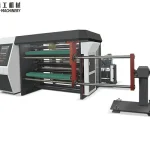
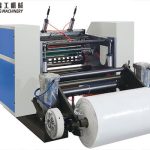
Kraft Paper Slitting Machine
coreless kraft paper cutting rewinding machine
kraft paper slitter rewinder
The packaging, printing, and paper processing industries commonly face challenges such as low efficiency in manual slitting, significant dimensional errors, high material waste due to rough edges, and slow job changeovers for small-batch orders.
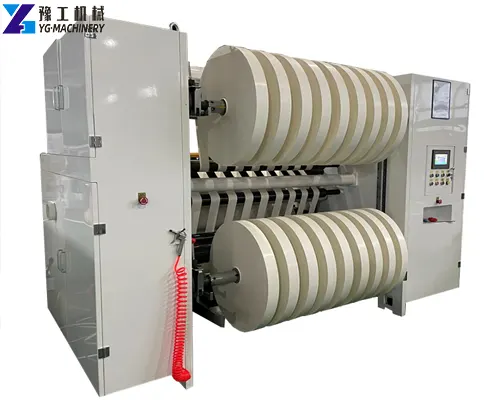
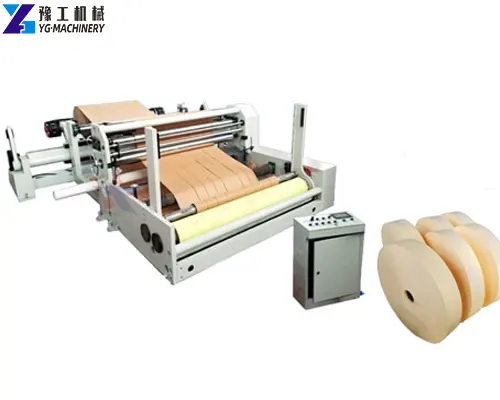
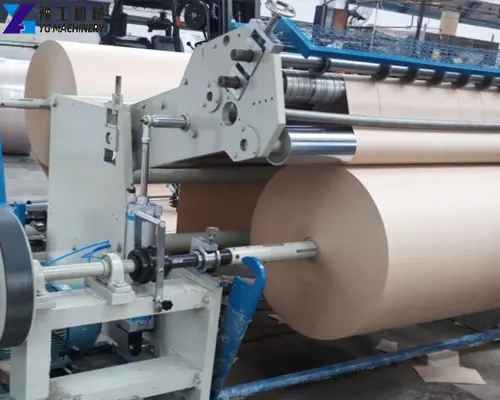
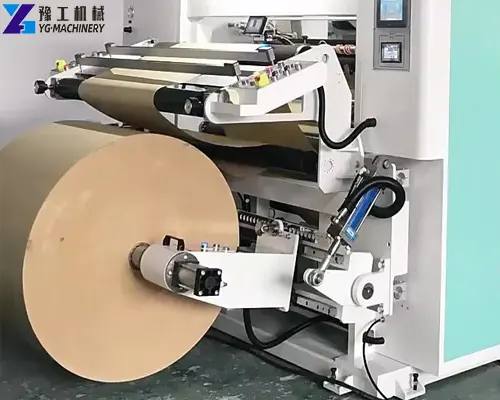
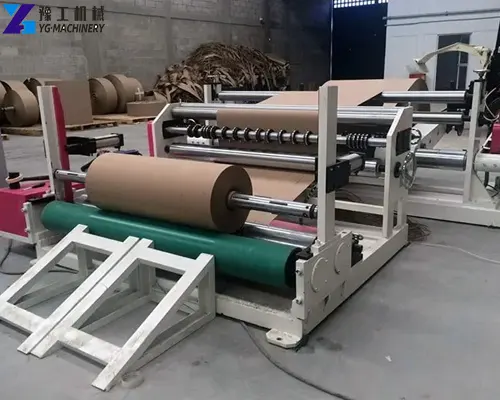
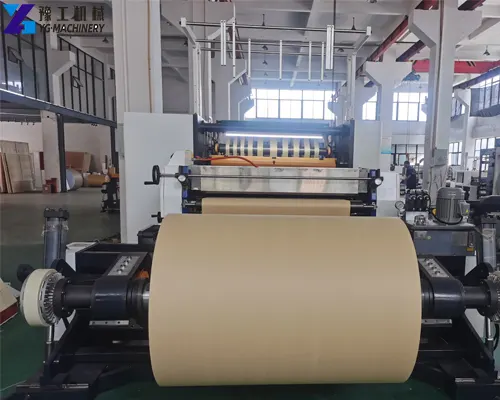
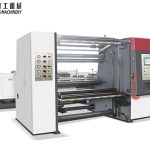
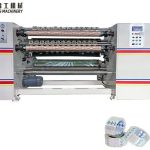
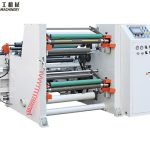
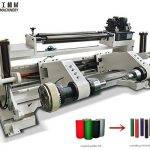
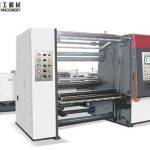
The kraft paper slitting machine—also known in the industry as a paper roll slitter or fully automatic paper cutter—is specialized equipment designed to slit wide kraft paper rolls into multiple narrow finished rolls according to specific requirements. Its primary function is to precisely divide large raw material rolls into finished rolls of specified widths, replacing manual slitting to enhance both efficiency and accuracy.
As a professional manufacturer of roll processing equipment, YG offers a comprehensive product range that includes slitters, rewinders, and integrated slitter-rewinders. Beyond kraft paper, these machines can process various other materials—such as non-woven fabrics, films, aluminum foil, and adhesive tapes—simply by changing the cutting tools, offering superior cost-effectiveness through multi-purpose functionality. Our equipment is currently exported in volume to countries including Mexico, Chile, Serbia, Ghana, Tanzania, Russia, Kazakhstan, Japan, and Argentina, meeting production needs across sectors such as packaging and printing, food processing, and electronic accessories. If your project requires equipment upgrades or new machinery, please contact us today for detailed product information.
jumbo cardboard kraft paper roll slitting and rewinding machine
kraft paper jumbo roll slitting rewinding machine
In Which Sectors Can Kraft Paper Slitting Machines Be Applied?
Paper tube manufacturing: Slitting kraft paper into narrow rolls for use by paper tube machines to produce industrial and construction-grade paper tubes.
Paper edge protector industry: Slitting kraft paper to specific widths for use by forming machines to produce protective packaging edges.
Packaging and bag making: Slitting kraft paper into narrow-width rolls required for shopping bags, food bags, and envelopes.
Post-print processing: Slitting wide printed paper rolls into narrower rolls suitable for subsequent cutting or binding.
Thermal paper processing: Slitting thermal paper into rolls for POS receipts, labels, and fax machines.
Non-woven fabric processing: Slitting spunbond/meltblown non-woven fabrics for the production of hygiene products, medical protective gear, and eco-friendly bags.
Film and foil industry: Slitting BOPP/PET films and aluminum foil for flexible packaging, cable shielding, and capacitor applications.
Label and tape industry: Slitting label backing paper, masking tape, and kraft paper tape.
How Does a Kraft Paper Slitter Work?
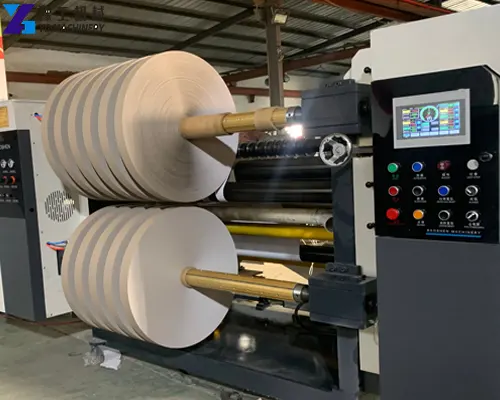
Step 1: Loading and Unwinding. A jumbo roll of kraft paper is mounted onto the unwinding shaft. A hydraulic unwinding stand automatically clamps the roll, while a magnetic powder brake controls unwinding tension to ensure a steady, uniform feed. A photoelectric edge-guiding sensor tracks the paper’s edge in real-time and automatically corrects any deviation.
Step 2: Flattening and Tension Adjustment. The paper passes over flattening rollers to eliminate wrinkles and curling. A tension control system maintains the paper tension within a set range (typically 0.5–1.5 N/cm) to prevent stretching, deformation, or slackness that could lead to wrinkling.
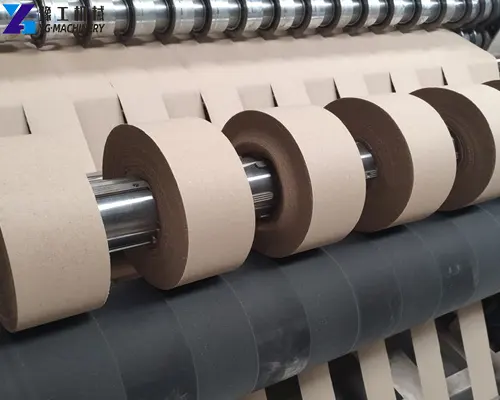
Step 3: Precision Slitting. The flattened paper passes through a slitting blade assembly. The cutting method is selected based on the paper’s basis weight: razor blades for thin paper, rotary shear blades for medium-thickness paper, and crush-cut blades for heavy-duty kraft paper. The blade assembly slits the wide paper web longitudinally into multiple narrow strips in a single pass.
Step 4: Strip Separation and Edge Trim Removal. The slit strips are separated from one another by a bowed roller to prevent overlapping. Edge trimmings from both sides are automatically suctioned away and collected via negative-pressure ducts.
Step 5: Tensioned Rewinding. The multiple narrow strips are wound onto rewinding shafts to form smaller rolls. A taper tension control system ensures consistent tightness from the core to the outer layer and produces neat roll end-faces. Once the preset diameter or length is reached, the machine automatically decelerates and stops.
kraft paper slitting rewinding machine manufacturer
kraft paper slitting machine
Must-Read Before Purchasing: How to Choose Between Slitters, Rewinders, and Slitter-Rewinders?
Most vendors simply sell the equipment without clearly explaining the differences or the logic behind selecting the right type. Below is exclusive, practical insight gathered from serving hundreds of factories worldwide—addressing the common pitfalls buyers often encounter:
1. Core Differences Between the Three Types of Equipment
Slitter: Its primary function is cutting wide rolls into narrower ones. Equipped with a slitting blade assembly, it prioritizes cutting precision and is ideal for processing plants with consistent slitting requirements.
Rewinder: Its primary function is rewinding large rolls into smaller ones or correcting uneven rolls. It lacks slitting blades, focusing instead on rewinding and roll finishing; it is best suited for paper roll warehouses and trading companies.
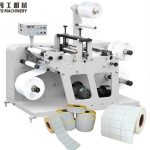
Slitter-Rewinder (Combo Machine): Combines both slitting and rewinding functions. The blade assembly can be lifted to switch modes, accommodating both needs, though slitting precision is slightly lower than that of a dedicated slitter.
2. Selection Criteria
90% of orders are for slitting, with occasional rewinding: Choose a dedicated kraft paper slitter; it offers high precision and efficiency, while rewinding needs can be handled as a secondary function.
90% of orders are for rewinding, with occasional slitting: Choose a dedicated kraft paper rewinder; it is more cost-effective and simpler to operate.
Balanced order mix with many small batches: Choose a slitter-rewinder combo machine; it serves two purposes, eliminating the need to purchase two separate machines.
3. Matching Paper Weight with Blade Types
For thin kraft paper (under 100g): Use straight blades for a smoother cut surface.
For thick kraft paper (over 200g): Use circular blades; they require less effort and offer longer blade life.
For films and aluminum foil: Use specialized mirror-finish blades to prevent scratching.
Models with quick-release blade assemblies allow for rapid blade changes, offering greater flexibility for orders involving diverse materials.
4. Improving Efficiency for Small-Batch Order Changes
For orders requiring frequent specification changes, the time spent switching setups directly impacts production capacity. Models with quick-release blade holders take only 8–10 minutes to switch specifications, whereas standard fixed-holder models take over an hour, resulting in a significant difference in productivity for operations handling many small orders.
5. Root Causes and Solutions for Burrs
Burrs occurring during slitting are not necessarily caused by dull blades; excessive tension, excessive speed, or incorrect blade angles can also be the cause. Machines equipped with stepless tension adjustment allow for parameter optimization based on the specific paper type, thereby addressing the root cause of burrs and reducing the waste rate.