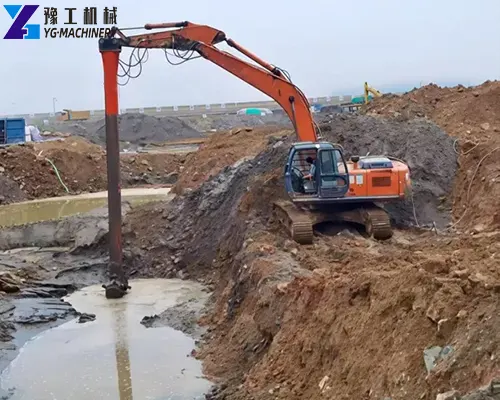
Every dredging and geotechnical contractor runs into costly sludge handling headaches. Transporting liquid sludge off-site brings high hauling fees and strict environmental compliance risks. Stationary deep mixing rigs are bulky, expensive to mobilize, and not flexible for scattered work zones. Uneven blending of curing agents also leads to poor stabilization results and failed site acceptance checks.
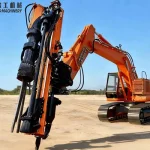
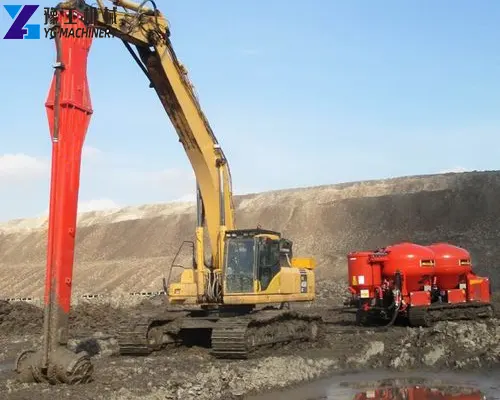
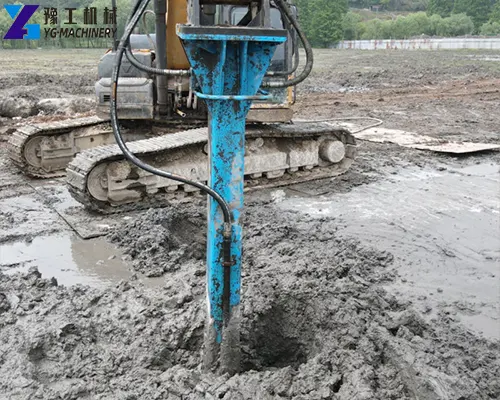
Our excavator soil mixer, also known as an excavator sludge mixer or excavator-mounted soil mixing attachment, solves these common pain points. It is a hydraulic-driven excavator attachment that turns your existing excavator into a mobile in-situ mixing unit. Our standard models are engineered to fit 20–45 ton excavators, covering most mid-size excavators widely used in dredging, environmental remediation, and ground improvement jobs. No separate power source or fixed foundation is required. You can move between working areas quickly and start mixing right after mounting.
Tell us your excavator model, show us the material, and explain what you want to achieve. We can then identify the configuration details needed before providing a quotation.
Get Your Free Quote in 12 Hours
Technical Specifications for YG Excavator-Mounted Sludge Mixer (Compatible with 20–45 Ton Excavators)
| Model | YG-3000 | YG-5000 | T-type Mixer |
| Main Unit Length (m) | 3 | 5 | 3 |
| Max. Working Pressure (MPa) | 35 | 35 | 35 |
| Max. Torque (N·m) | 11500×2 | 11500×2 | 11500×2 |
| Working Flow Rate (L/min) | 220 | 220 | 180 |
| Overall Weight (kg) | 2500 | 2900 | 2500 |
| Rotation Speed (rpm) | 50 | 50 | 55 |
| Extension Rod Weight (kg) | 770 | 770 | 770 |
| Applicable Excavator (T) | 20–45 | 20–45 | 20–45 |
Match Soil Mixer to Your Excavator (20T–45T Options) – Start Now
What Is an Excavator Soil Mixer?
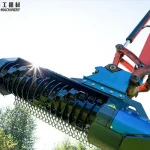
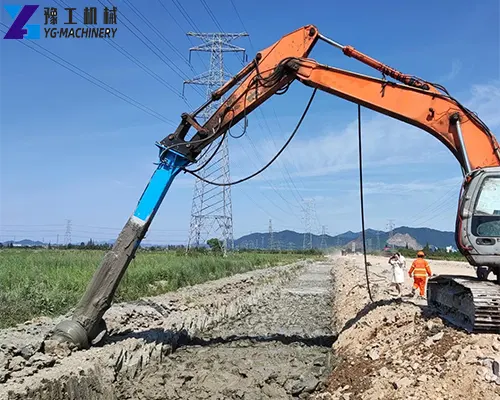
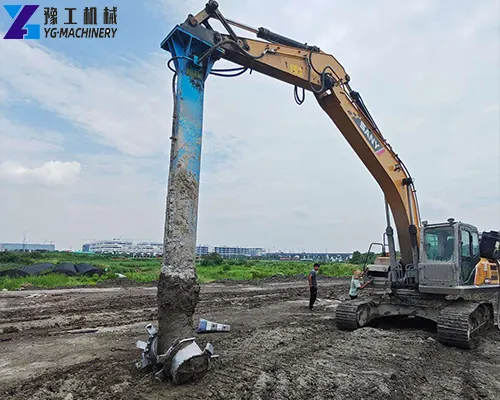
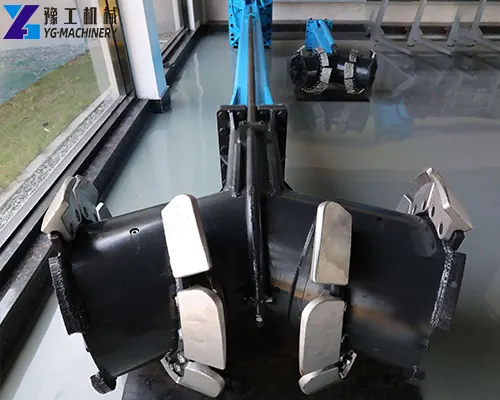
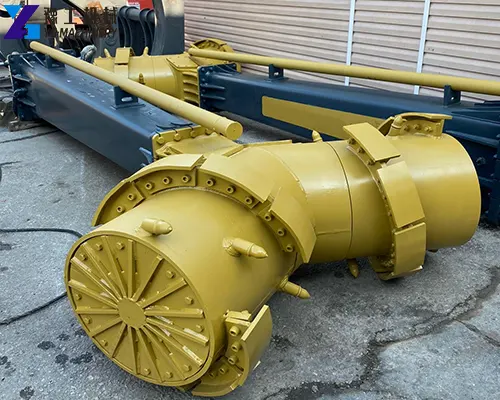
An excavator soil mixer is a hydraulic attachment with a rotating mixing head. It is also called an excavator sludge mixer, excavator-mounted soil mixing attachment, or sludge solidification mixer.
The mixer penetrates the soft material, injects binder through the mixing head, and blends the binder into the soil or sludge. The mixing action breaks up the material and distributes the binder evenly. The treated material then cures and gains strength.
The mixer is driven by the excavator’s hydraulic system. It does not need a separate power unit. The mixing depth and head size depend on the excavator tonnage and the attachment model.
How Does the Mixing Attachment Work?
The excavator supplies hydraulic flow and pressure to drive the mixing mechanism. The operator positions the attachment and moves it through the agreed working area while the mechanism turns the material.
-
Positioning – The excavator positions the mixing head over the soft material.
-
Penetration – The mixing head is lowered into the sludge or soft soil.
-
Binder injection – The binder is injected through the mixing head into the material.
-
Mixing – The rotating blades blend the binder into the material. The mixing action creates a uniform mixture.
-
Curing – The treated material is left to cure. The curing time depends on the binder type, mix ratio, and material condition.
The goal is to convert wet, unstable material into a stable material that can be handled, reused, or built upon. The actual result depends on the material, the binder, the mix ratio, and the mixing quality.
7 Applications for YG Excavator-Mounted Sludge Mixers
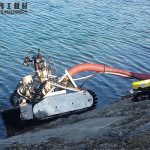
- River & Lake Dredging Sludge Solidification: After dredging, fluid sediment cannot be stacked freely. Mix curing agents into dredged sludge to create stable fill material. The full workflow works smoothly: pump silt out with an excavator dredge pump, feed slurry into mud-water separation equipment for dewatering, then solidify the dewatered sludge with our soil mixer. For narrow shallow water channels, pair the system with our dredging robot for unmanned dredging work.
- Tidal Flat & Coastal Soft Ground Reinforcement: Improve bearing capacity of coastal silt and peat soil before road, port, or reclamation construction to reduce settlement risk.
- Contaminated Soil Remediation: Mix stabilizers into polluted soil to lock heavy metals and hazardous components, meeting local environmental standards.
- Foundation Pit & Construction Site Mud Treatment: Process construction sludge on-site, cut down sludge hauling, and reduce fines for improper discharge.
- Mine Tailings Harmless Treatment: Stabilize loose tailings slurry to lower risks of tailings pond leakage and pollution.
- Road & Highway Subgrade Soft Soil Improvement: Stabilize weak subgrade soil to support pavement and avoid long-term deformation.
- Port Dredged Sediment Treatment: Treat dredged material from harbors so it can be reused for land filling.
See Factory-Direct Pricing on Soil Mixing Attachments – Request Quote
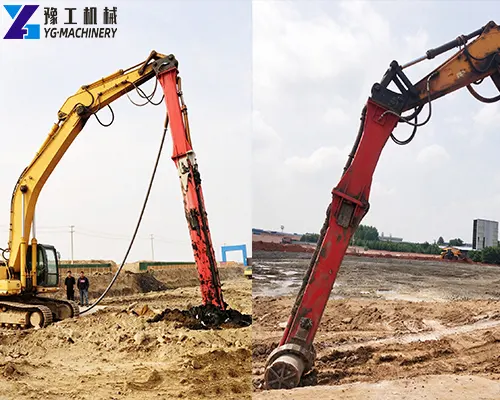
3 Core Selection Factors Buyers Focus On
1. Excavator Compatibility: 20–45 Ton Carrier Range
2. Adjustable Mixing Depth
3. Mobility & Maintenance
The mixing blades use hardened wear-resistant steel. Routine maintenance only includes gearbox grease checks and blade condition inspection. Replacement wear parts are available at factory cost to control long-term operating expenses.
Will It Fit Your 20–45 Tonne Excavator?
Excavator tonnage is only an initial filter. Two machines in the same weight class can have different hydraulic circuits, lifting limits, and mounting arrangements.
Before confirming compatibility, provide:
-
Excavator brand, model, and operating weight.
-
Available auxiliary hydraulic flow and pressure.
-
Hydraulic return and any additional line requirements.
-
Pin or quick-coupler dimensions.
-
Boom and arm configuration.
-
Intended working reach and depth.
-
Material condition and expected resistance.
The evaluation must consider the attachment and material loads in the intended working position—not just the excavator’s nominal size.
Lock In Today‘s Factory Price – Request Quote
Frequently Asked Questions About Excavator-Mounted Sludge Mixers
Q1: Can It Fit Any 20–45 Tonne Excavator?
A1: No. The carrier range is an initial guide. Hydraulic capacity, mounting, handling limits, and intended working position still need confirmation.
Q2: Can It Mix Wet, Sticky Sludge?
A2: Suitability depends on viscosity, consistency, depth, and the selected mechanism. Send photos or video and describe whether the material flows, holds its shape, or contains settled solids.
Q3: What About Stones, Roots, Wire, or Other Debris?
A3: Identify these before selection. They may interfere with mixing, damage components, or require removal. No verified maximum stone size or anti-wrapping capability is available for this page.
Q4: Can It Mix Cement or Other Solidifying Agents?
A4: Potentially, where the attachment and engineered process are suitable. Confirm agent compatibility, delivery method, mixing requirements, and testing. Do not assume an integrated dosing or injection system.
Q5: Do We Also Need a Pump or Separator?
A5: Only if your process requires extraction, transport, or separation. Explain the desired final result so the equipment proposal addresses the task without adding unnecessary machines.
Q6: What Maintenance Should We Plan?
A6: Request the model-specific manual, wear-part list, inspection schedule, and written support terms. Follow the manufacturer’s isolation procedure before inspection or cleaning. Do not assume a universal maintenance interval.