If your piling, trenchless, tunneling, or dredging site keeps generating high-sand slurry, the job can slow down fast: sand accumulates, mud tanks fill, pumps and pipes wear quickly, and disposal pressure builds. Mud-water separation equipment, also called a slurry separation system or construction slurry recycling unit, separates sand grains and part of the solid content from slurry. It helps you recover usable liquid, organize sand discharge, and prepare slurry for the next processing stage.
What Does Mud-Water Separation Equipment Do?
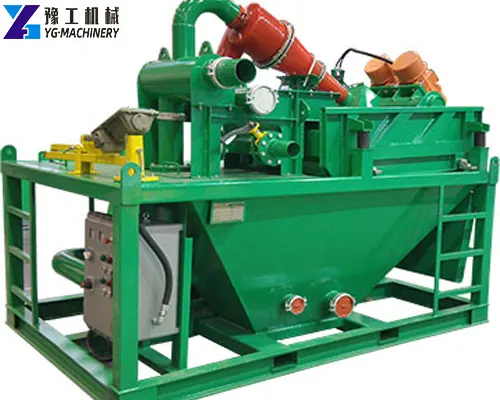
A mud sand separator divides incoming slurry into streams with different solid concentrations.
One stream contains more separated sand and heavier particles. Another contains more liquid and finer suspended material. Depending on its condition and the project specification, that liquid may return to the process or require further treatment.superior-ind+1
The purpose is not simply to make muddy water look clearer. It is to manage material flow so slurry does not become a storage, handling, or scheduling problem.
Before choosing a system, define the required result:
-
Recover slurry for continued construction use.
-
Remove sand before another treatment stage.
-
Recover useful mineral particles.
-
Reduce the material load entering dewatering equipment.
-
Prepare slurry for a separate waste-treatment process.
These objectives may require different configurations.
Find the Right Mud-Water Separator for Your Site – Free Consultation
YG Hot-Sale Mud-Water Separation Equipment Technical Parameters
| Model | YG100-A | YG100-B | YG100-C | YG250-B | YG300-C | YG400-C |
| Maximum slurry handling capacity | 100M3/h | 100M3/h | 120M3/h | 250M3/h | 300M3/h | 400M3/h |
| Vibrating motor | 0.25kw×2 | 0.25kw×2 | 0.25kw×2 | 1.5kw×2 | 2.2kw×2 | 2.2kw×2 |
| Maximum moisture content of undersize material | 30% | 30% | 30% | 30% | 30% | 30% |
| Separation particle size d50 (μm) | 180 | 180 | 180 | 180 | 180 | 180 |
| Solids screening capacity (t/h) | 10-25 | 10-25 | 12-30 | 25-62.5 | 30-75 | 40-100 |
| Compatible feed pump (to be provided by the customer) | 7.5kw | 7.5kw | 7.5-11kw | 22kw | 37kw、45kw、55kw | 37kw、45kw、55kw |
| Total power consumption | 0.5 kW | 8 kw | 22.5kw | 25kw | 59.4kw | 59.4kw |
| Total machine weight | 550 kg | 1000 kg | 1250 kg | 2300 kg | 5500kg | 8000kg |
| Sand content in slurry after purification | <2% | <2% | <2% | <2% | <2% | <2% |
| Overall dimensions (length × width × height) | 2.5*0.83*2.1m | 2.16*1.43*2.23m | 2.2*1.56*2.2m | 3.3*2.0*2.3m | 4.3*3*3.1m | 6.4*2.55*4.3m |
| Internal pump | None | 7.5 kW motor + vertical-column pump | 22 kW motor + horizontal pump | 22 kW motor + horizontal pump | 55kW motor + horizontal pump | 55kW motor + horizontal pump |
| Inlet and outlet dimensions | Inlet: 3 inches (76 mm)Upper outlet: 4 inches (102 mm)Lower outlet: 6 inches (152 mm) | Inlet: 3 inches (76 mm)Upper outlet: 4 inches (102 mm)Lower outlet: 6 inches (152 mm) | Inlet: 3 inches (76 mm)Upper outlet: 4 inches (102 mm)Lower outlet: 6 inches (152 mm) | Inlet: 4 inches (102 mm)Upper outlet: 6 inches (152 mm)Lower outlet: 6 inches (152 mm) | Inlet: 6 inches (152 mm)Upper outlet: 6 inches (152 mm)Lower outlet: 8 inches (195 mm) | Inlet: 8 inches (195 mm)Upper outlets: 8 inches (195 mm) × 2Lower outlet: 8 inches (195 mm) |
View Full Technical Specs – See Details
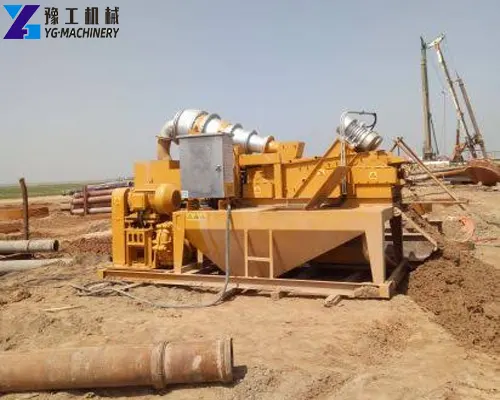
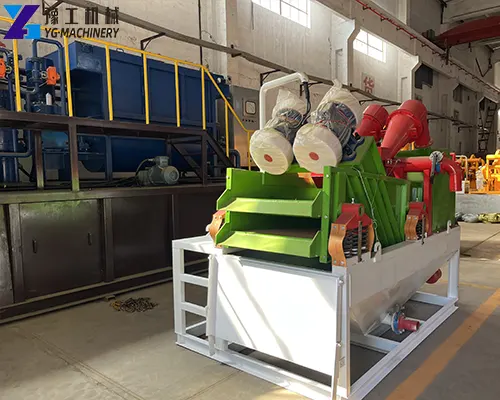
How Does the Separation Process Work?
A typical arrangement follows this sequence:
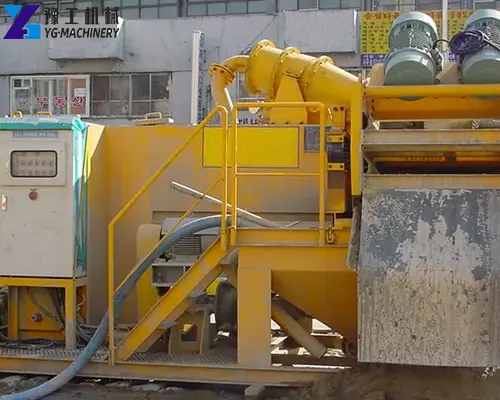
Slurry collection → coarse screening → pumping → hydrocyclone separation → sand drainage → liquid reuse or further treatment.
The actual process depends on the feed material and selected equipment.cuttingsdryer+1
1. Collect the Incoming Slurry
A collection tank receives slurry from the work area. Its arrangement must account for changing flow, pump operation, and access for cleaning.
2. Remove Larger Material
A coarse screen retains stones, larger cuttings, and debris before they reach downstream equipment. Screen selection should reflect the material entering the system.
3. Feed the Hydrocyclones
A pump supplies slurry to the hydrocyclones. Inside each cyclone, swirling flow sends coarser particles toward the outer wall and lower outlet, while finer particles and much of the liquid leave through the upper outlet.superior-ind+1
4. Drain Separated Sand
Where included, a dewatering screen removes additional liquid from the sand discharge. This improves drainage but does not mean every discharged material becomes a dry, stackable cake.
5. Check the Liquid’s Next Destination
The liquid may return to the construction process, enter a holding tank, or move to further treatment. Reuse must follow the project’s required tests; discharge requires its own assessment.
Mud Dewatering Unit Applications and Compatible Equipment
A slurry separation system should match both the construction method and the material delivered by the upstream machine.
| Project | Potentially Compatible Equipment | Typical Feed Characteristics | Selection Focus |
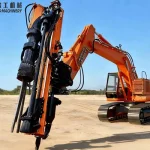
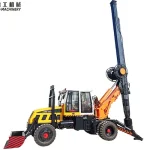
| Slurry-Supported Bored Piling | Rotary drilling rigs, circulation drilling rigs, and associated slurry pumps | Drilling fluid containing sand, soil, and excavated cuttings | Return-slurry flow, sand content, particle size, and required slurry properties for reuse |
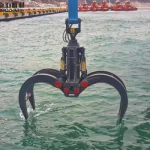
| Diaphragm Wall Construction | Hydraulic grabs and trench cutters | Support slurry containing variable soil particles | Peak treatment flow, changing ground conditions, solids loading, and compatibility with the support fluid |
| Trenchless Construction | Horizontal directional drilling rigs and slurry pipe-jacking machines | Drilling returns containing cuttings and finer solids | Return flow, drilling-fluid properties, separation requirements, and recycling-system integration |
| Slurry Tunneling | Slurry-shield TBMs and associated slurry circulation equipment | High-volume slurry with changing particle sizes and solids concentrations | Project-specific capacity, multistage separation, feed variability, and integration with the TBM slurry circuit |
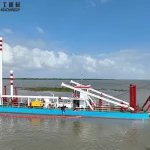
| River, Lake, and Pond Dredging | Suction pumps and cutter-suction equipment | Sediment containing sand, silt, clay, organic material, and debris | Recoverable sand fraction, debris removal, feed concentration, and downstream sludge-dewatering requirements |
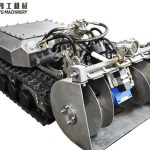
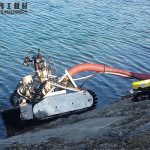
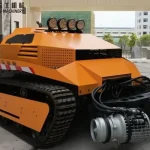
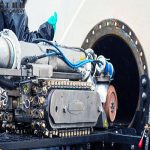
| Municipal Desilting | Pump-fed dredging robots, cleaning robots, and sludge-transfer pumps | Variable sediment mixed with water and possible debris | Pump and pipeline compatibility, peak slurry delivery, debris pretreatment, and available installation space |
| Sand Recovery and Wash-Water Pretreatment | Sand-washing equipment and slurry pumps | Mineral fines and wash water | Target recovery particle size, solids concentration, recovered-sand quality, and requirements for liquid reuse or further treatment |
Get Your Free Quote Today – Fast Response
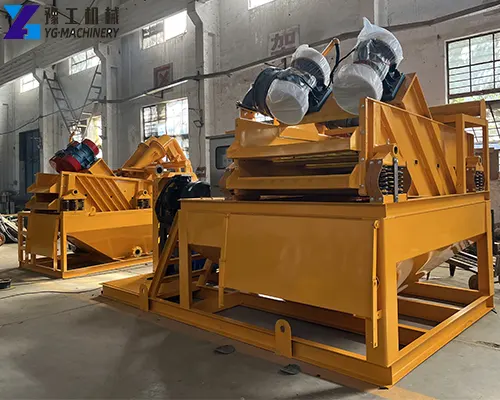
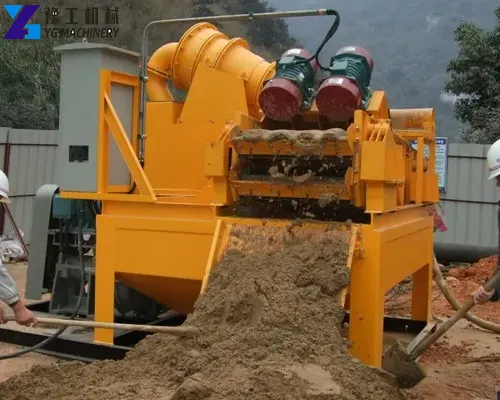
Frequently Asked Questions About Mud-Water Separation Equipment
Q1: Which projects is mud-water separation equipment suitable for?
A1: Piling, diaphragm wall, trenchless, tunneling, river/lake dredging, and sand washing wastewater. Each project has different matched machine and feed characteristics, as shown in the application table.
Q2: Can it connect directly to my desilting robot?
A2: A desilting robot delivers mud through a pump and pipeline. Not all models connect directly. Confirm your robot model and flow with our team before ordering.
Q3: How do I choose the processing capacity?
A3: Match capacity to your peak return slurry flow, plus margin for sand spikes. Do not use only the drilling rig’s theoretical flow. Share your circulation data for a recommendation.
Q4: Can the treated liquid be reused for mud making?
A4: Reuse is possible if the liquid still meets your project mud specification. Fine clay may remain. Always test slurry properties before reuse.
Q5: Does this equipment produce dry mud cake?
A5: No, on its own it does not produce fully dewatered filter cake. For dry cake or compliant discharge, add flocculation, a filter press, or a centrifuge.
Q6: What routine maintenance is required?
A6: Inspect cyclone wear liners, check screen tension, clear blockages, and replace worn mesh. Wear parts are available from YG for on-site replacement.