Top, Professional and Reliable Manufacturer of Various Machinery – YG Machinery
Heavy Duty Apron Feeder
mining apron feeder
plate apron feeder
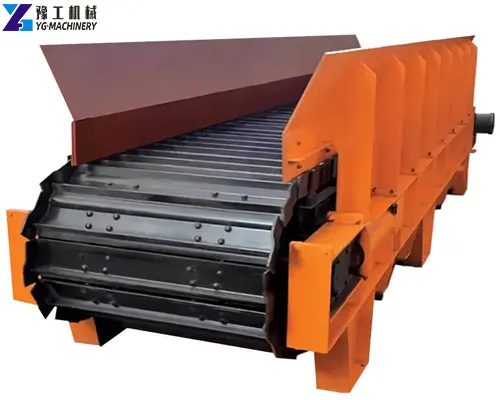
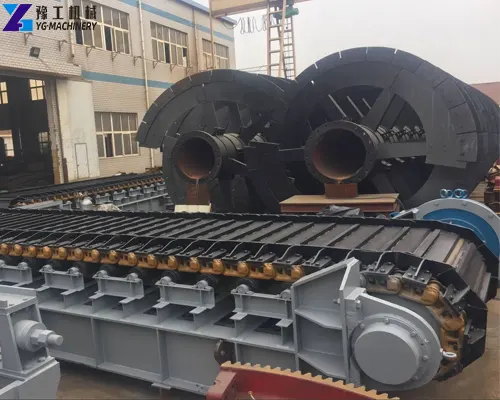
Many crushing plant operators struggle with feeding failures caused by large, heavy, sharp rock blocks. Ordinary vibrating feeders or belt conveyors cannot withstand heavy impact from large raw ore, and belts are easily torn or punctured, leading to frequent shutdowns and high maintenance costs. Our heavy-duty apron feeder is built as the primary feeding equipment at the front of crushing systems. It takes heavy material directly from hoppers or stockpiles and delivers it steadily to the primary jaw crusher. It is engineered for high impact, large lump sizes, and abrasive mining materials, ideal for sites that demand stable, continuous feeding.
For a YG Machinery proposal, start with your material, maximum lump dimensions, required throughput, and hopper arrangement.
How a Heavy Duty Apron Feeder Works in Crushing Lines
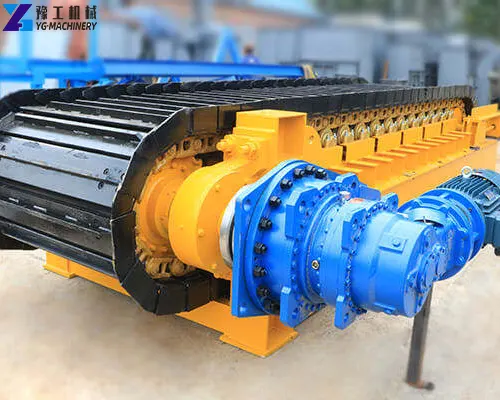
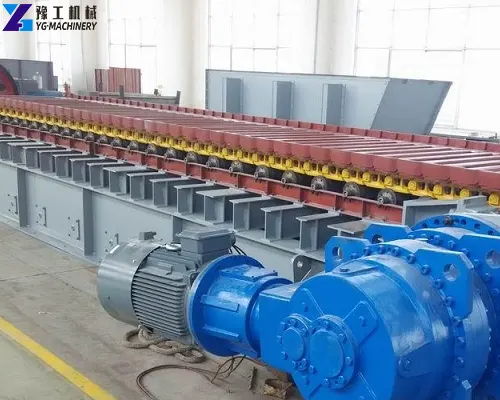
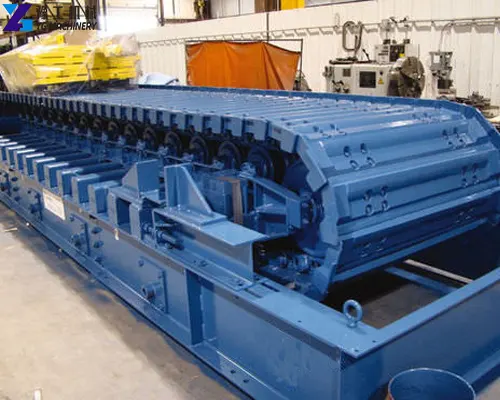
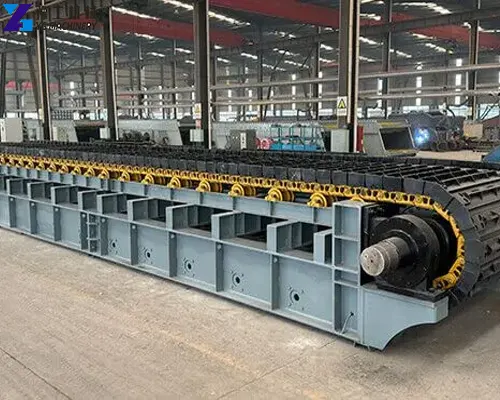
Positioned right after the receiving hopper, the apron feeder uses interconnected manganese steel pans and heavy-duty chain assemblies to carry bulk material. The drive unit controls running speed, so operators can adjust feeding volume to match the processing speed of the jaw crusher. This prevents sudden surges of rock that overload the primary crusher. The solid pan structure absorbs heavy impact when large chunks fall from the hopper, protecting the whole downstream crushing circuit.
Why Feeding Control Matters in a Crushing Line
A hopper receives material in batches. A crusher generally needs a more controlled supply.
The feeder connects these two operating conditions. With an appropriate drive and control arrangement, its speed can be adjusted to suit the required discharge rate.
This can help manage some variation in upstream delivery, but it does not guarantee higher plant output. Crusher capacity, material properties, downstream restrictions, and operating practices still determine overall performance.
Impact-resistant manganese steel pans: Withstand falling heavy rock without puncture or deformation.
Adjustable feeding speed: Variable speed control to stabilize crusher load and avoid blocking.
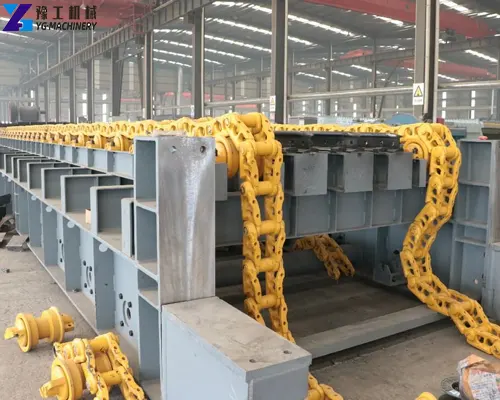
Heavy chain drive system: Stable transmission for long continuous running.
Wide model range: Covers feeding size up to 1800 mm and capacity up to 900 t/h.
Customizable design: Adjust pan width, center distance, and drive configuration for your site layout.
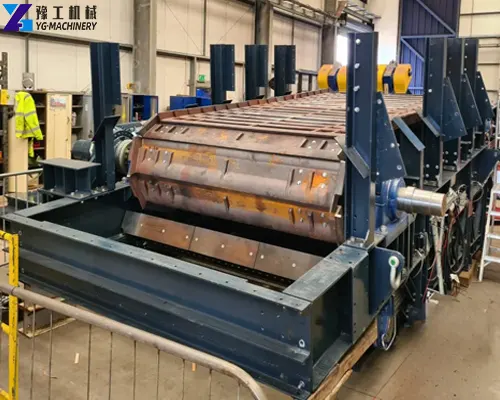
Easy maintenance: Modular structure, easy access to chains, rollers, and wear pans for replacement.
Apron Feeder vs Vibrating Feeder & Belt Feeder
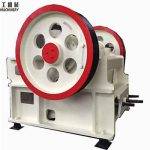
It is critical to pick the correct feeder for your material. Vibrating feeders work well for small, medium, and low-impact materials, but they struggle with oversized lumps and heavy impact. Belt feeders are low-cost, yet sharp rock quickly cuts and wears rubber belts. Our heavy-duty apron feeder is the best choice when you have large block sizes, heavy impact, and abrasive rock. Its manganese steel pans resist piercing and impact. If your material is fine and non-sharp, vibrating feeders or belt conveyors can be matched together in the same production line. You can check our jaw crusher and vibrating feeder product pages for full crushing line matching.
Build the Feeder into the Right Plant Arrangement
The feeder should be discussed alongside the equipment immediately before and after it.
Receiving hopper: manages incoming batches and presents material to the feeder.
Optional pre-screen: separates material where the process requires it.
Jaw or gyratory crusher: receives feed within its approved size and operating limits.
Downstream conveyor: transfers material after the relevant process stage.
These are process relationships—not a compulsory equipment package.
For a replacement feeder, send existing drawings and operating problems. For a new line, provide the planned layout and process requirements so interfaces can be checked before purchase.
Selection Checklist Before Ordering
To recommend the correct model, please share these details with our team: maximum lump size of your raw material, required hourly capacity, material type (limestone, granite, ore, clay, construction waste), whether the material is wet or sticky, and the model of your primary jaw crusher. For example, YG250-11.5 can handle lump sizes up to 1800 mm with 550–900 t/h capacity, while YG160-9 fits smaller, lower-output quarry lines.